Catnip Treats for Cats – How and When to Use Them
Why it fascinates some cats and how to use it well
Cats are curious by nature.
They explore with their noses, their whiskers, and their paws, turning ordinary spaces into places of play and discovery.
Sometimes that curiosity is sparked by movement or sound. Other times, it’s scent. And few scents are as well known in the cat world as catnip.
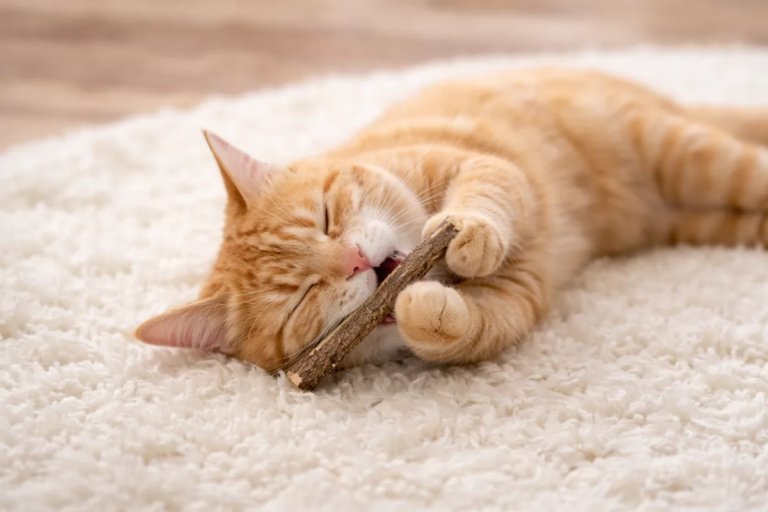
You’ve probably seen it. Rolling, rubbing, sudden bursts of energy, or the opposite, a cat going completely still with half-closed eyes. Catnip can look dramatic, but it doesn’t have to be chaotic to be useful.
Used thoughtfully, it’s simply one more way to enrich a cat’s environment.

What exactly is catnip?
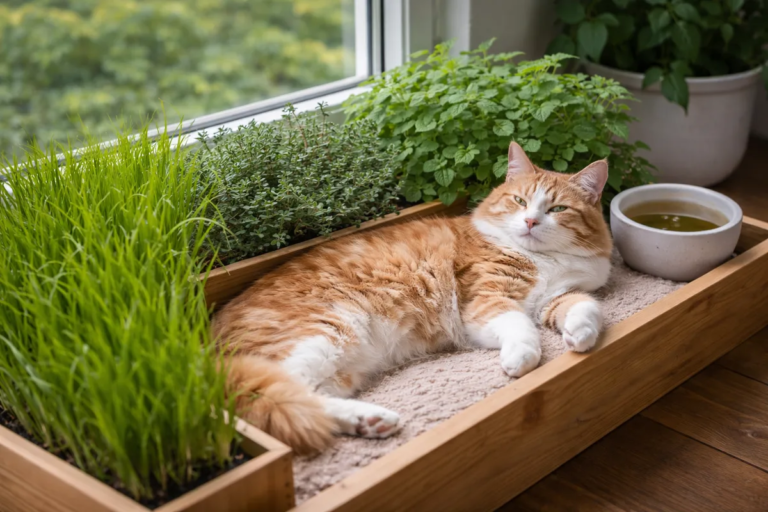
Catnip (Nepeta cataria) is a plant from the mint family. It grows easily, has soft green leaves, and produces small pale flowers. While humans might barely notice its scent, cats often react strongly to it.
The reason lies in a natural compound found in the plant. When cats smell catnip, this compound interacts with their sensory system and triggers behavioral responses linked to pleasure, play, or calm.
Not all cats respond. Sensitivity to catnip is largely genetic. Roughly two out of three cats show some reaction, while others ignore it completely. Both are normal.
How cats respond to catnip
There isn’t one single catnip reaction. Cats tend to choose their own way of engaging.
Common responses include:
- sniffing and investigating
- rubbing cheeks or chin
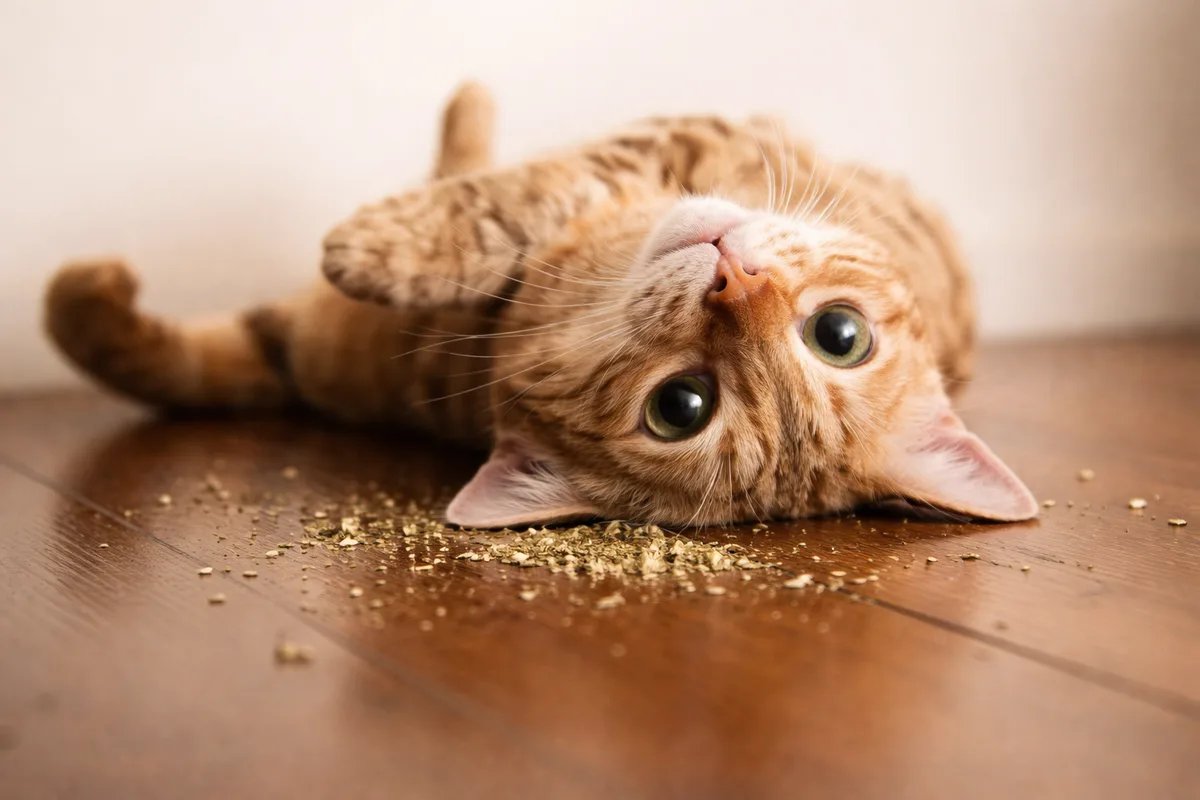
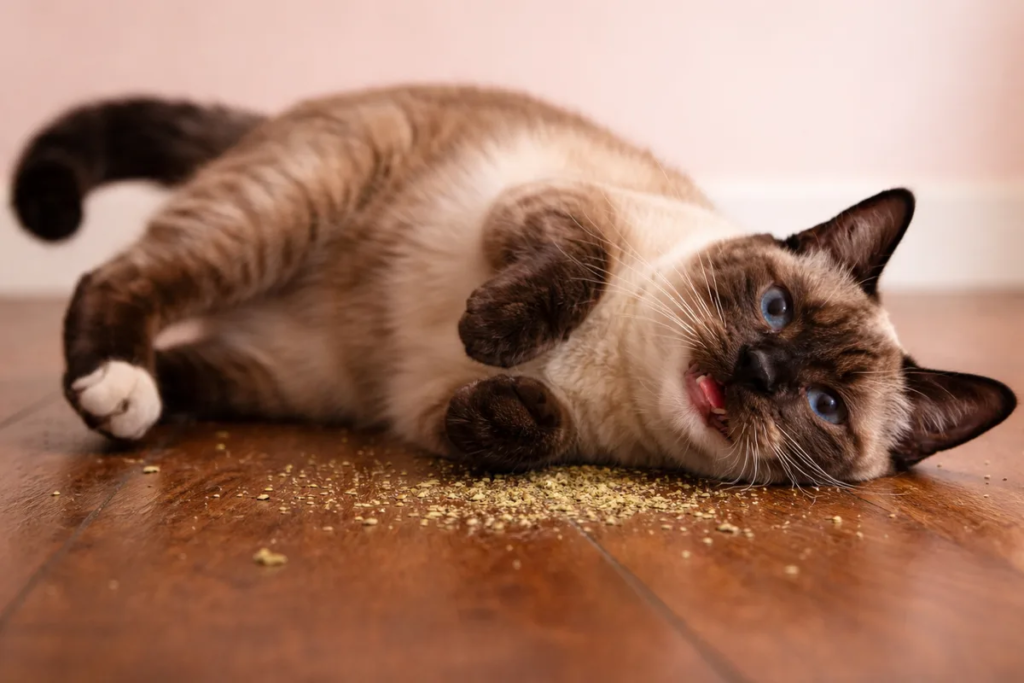
- rolling on the floor
- brief energetic play
- quiet focus or stillness
Some cats switch between excitement and relaxation in the same session. Others prefer one state over the other.
Kittens usually don’t respond much, and some older cats lose interest over time. Catnip isn’t a guarantee. It’s an option.
Smelling versus eating catnip
How a cat encounters catnip makes a difference.
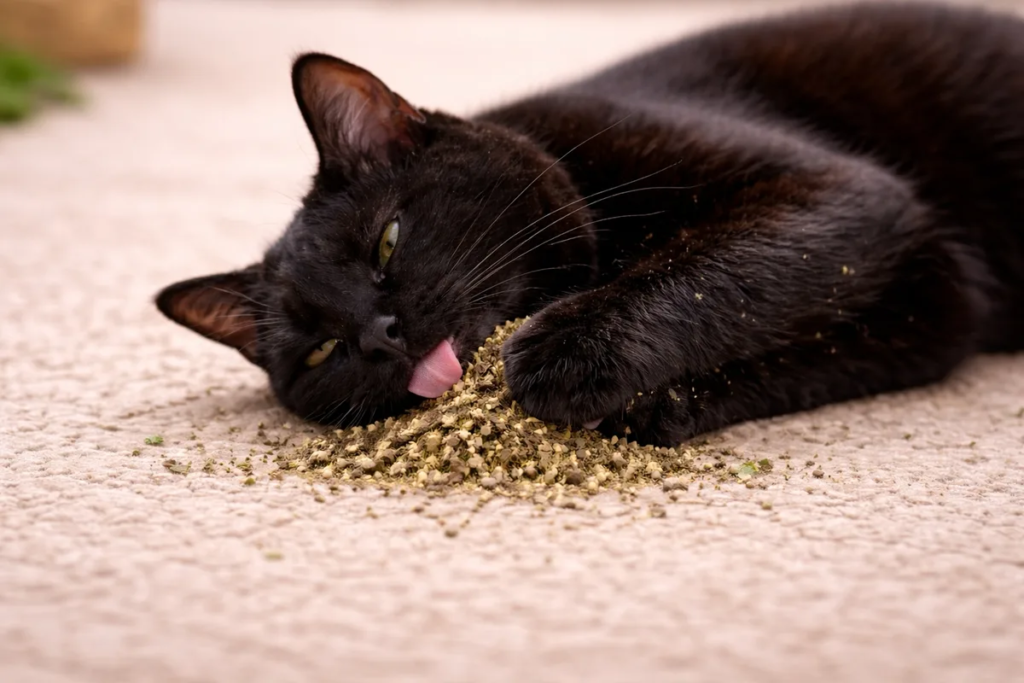
When smelled, catnip often leads to playful or expressive behavior.
When eaten, the effect is usually milder and sometimes calming.
This is why a cat might seem energetic at first, then suddenly settle down. Both responses are typical and short lived.
How long does catnip last?
Most catnip sessions last about 10 to 15 minutes. After that, cats tend to lose interest for a while. This pause isn’t boredom. It’s temporary insensitivity.
Waiting a few hours or even a few days before offering catnip again keeps it effective.
Why people use catnip
Catnip isn’t just entertaining to watch. It can serve a few practical purposes in a cat’s daily life.
Mental stimulation
Scent based enrichment helps keep indoor environments interesting, especially for cats with limited access to outdoor stimuli.
Encouraging play
Short bursts of activity can support movement and exercise, particularly for cats who are otherwise inactive.
Helping with transitions
Catnip can make new objects like toys or scratching posts more inviting.
Calming moments
For some cats, catnip leads to relaxed behavior and rest rather than excitement.
Is catnip safe?
For most cats, yes, when used in moderation.
Catnip is:
- non addictive
- generally well tolerated
- self limiting, cats usually stop on their own
Problems tend to arise only when it’s used too often or in large amounts. Overuse can lead to overstimulation or mild digestive upset.
As with most things, balance matters.
How to use catnip thoughtfully
There’s no need to overthink it. A few simple approaches work well.
- Sprinkle a small amount on a scratching surface
- Rub a pinch between your fingers and let your cat investigate
- Add it to a toy, then rotate the toy away later
Avoid leaving catnip available all the time. Its appeal comes from being occasional.
How often is enough?
For many cats:
- once a week is plenty
- short sessions are better than long ones
Pay attention to your cat’s response. Some want less, some want more, and some don’t want it at all.
All of those are fine.
Catnip doesn’t need to turn every moment into entertainment.
Sometimes it invites play.
Sometimes it encourages rest.
Sometimes it’s ignored completely.
What matters is offering choice. When catnip is used gently and without expectation, it becomes part of a flexible environment where cats can respond in their own way.